
Linen creases. That is not a flaw in the cloth; it is the cloth. But ironing it badly — too hot here, bone dry there, a pale shine blooming across a navy cushion cover — does damage that no amount of pressing will undo. Most of the trouble comes down to a handful of habits: how damp the linen is when it meets the board, which setting you choose, how you handle steam, and what you do in the thirty seconds after you lift the iron. Get those right, and a basket of crumpled linen turns crisp, soft and matte in a pleasant, unhurried half hour.
Dry linen fights back. The fibres are stiff, the creases sit deep in the weave, and you end up leaning on the iron to flatten them. That pressure is what creates shine, and the extra heat is what creates scorch marks.
Linen presses best when it still holds a little moisture. The easiest approach is to take it off the line just before it is fully dry and fold it into a basket while it is still faintly cool and damp. If you have missed that window, mist the piece lightly with a spray bottle, roll it in a clean towel and leave it for ten to fifteen minutes so the dampness spreads evenly.
One caution: linen is weaker when wet than when dry, so do not yank damp fabric at the seams or stretch it into shape on the board. Press and glide rather than pull.
Linen likes heat — usually the highest setting your iron offers, marked with three dots or the word “linen”. Work on that setting for pure linen and you will need fewer passes and less pressure.
Two errors sit either side of that. Too cool, and you press harder and longer than you should, chasing the same crease around the board until the surface goes flat and slightly shiny. Too hot, or held too long in one place, and you get a scorch: a yellow-brown mark that is permanent, and especially visible on white napkins and pale tablecloths.
Test unfamiliar pieces on a hidden hem first. If the linen is blended with viscose, polyester or cotton, iron according to the most delicate fibre in the mix, not the linen. And give the iron a minute or two to reach or lose temperature properly — a dial moved and used straight away is a common cause of accidental scorching.
Steam relaxes linen; it does a great deal of the work your wrist would otherwise do. So skipping steam means more pressure and a duller finish.
The opposite problem is just as annoying. Bursts of steam sprayed directly at the face of dark linen can leave water marks, and irons fed with very hard tap water tend to spit scale and leave chalky speckles. Fill the reservoir with filtered or distilled water if your area has hard water, empty it after each session rather than leaving it to sit, and never refill an iron over the piece you are pressing. If your iron has a vertical steam function, use it to soften hanging curtains and shirt fronts before they reach the board.
Shine is the classic linen injury, and it comes from heat plus pressure on the face of the fabric. The texture that makes linen beautiful flattens into a slick patch that cannot be brushed back.
Iron dark colours, embroidery, printed pieces, anything with a sheen and anything with a stain on the reverse as a matter of course. When you do need to press the face — a collar point, a tablecloth centre — lay a clean cotton cloth or piece of muslin over the linen and use a slightly lower heat with the steam off. Avoid swirling the iron in circles; work along the length of the garment, following the grain, so the weave is smoothed rather than pushed about.
Speed is what turns a good pressing job into a damaged one. A stationary iron scorches in seconds, particularly along a hem or a crisp fold where the heat builds up. Keep the iron moving, and accept that two quick gliding passes beat one heavy, slow press.
Linen also demands that you work around hardware rather than over it. Go carefully around these, easing the cloth flat with your free hand or pressing the fabric between them:
Clean the soleplate too. Residue from a previous session — burnt starch, a smear of fusible interfacing — transfers to linen the moment the iron touches down, and those brown streaks are almost impossible to shift.
Hot linen holds whatever shape you give it, which is exactly why folding immediately sets in the very creases you have just spent twenty minutes removing. It also traps residual dampness, and damp linen folded and stored in a cupboard is on a short road to mildew.
Instead, hang shirts and dresses on hangers, and lay sheets, tablecloths and napkins flat over a clothes horse or the back of a chair for five or ten minutes. Only fold when the linen is cool and completely dry — and fold along existing edges and seams rather than inventing new lines through the middle of a cloth. Store it somewhere dry and aired, loosely folded, and skip the plastic box.
A heavy tablecloth, a fine handkerchief-hemmed napkin, a slubby linen cushion cover and a loose-knit linen top are not the same job, even though they share a fibre.
Heavier weaves tolerate the full linen setting, generous steam and a firm hand. Lighter, finer pieces prefer a slightly cooler iron, a press cloth and more patience. Knitted or very loosely woven linen should be laid flat on the board and pressed gently rather than stretched into shape, or it will grow at the seams. Anything coated, waxed or oiled should not be ironed at all. Read the care label, and if it says do not iron, believe it.
A reliable routine removes the guesswork. Try this sequence:
Finally, lower your expectations a little, in the nicest possible way. Linen is meant to have a soft, matte surface and a few easy creases; it looks wrong when it is glassy, stiff and pressed into submission. Aim for smooth, not severe, and the cloth will look after itself for years.
Photo: Couleur / Pixabay
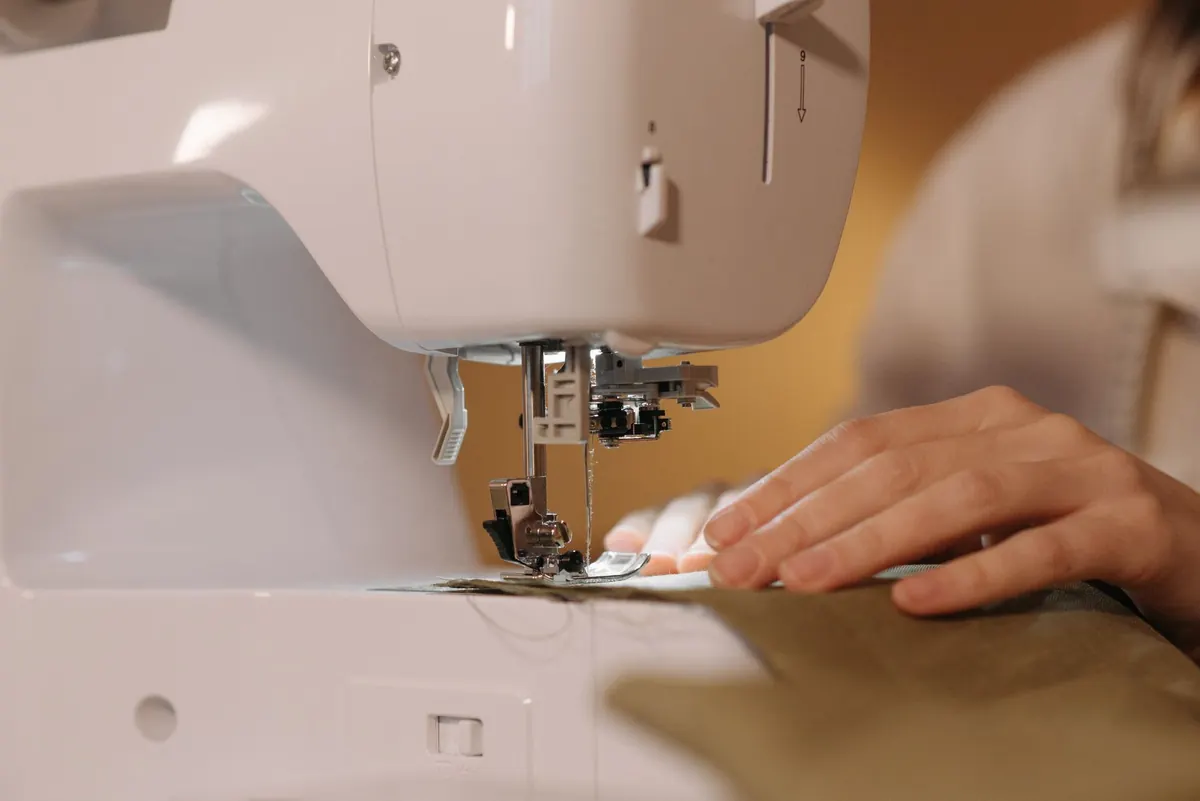
A practical guide to visible mending, patching and cutting down worn linen sheets — plus simple projects that turn...
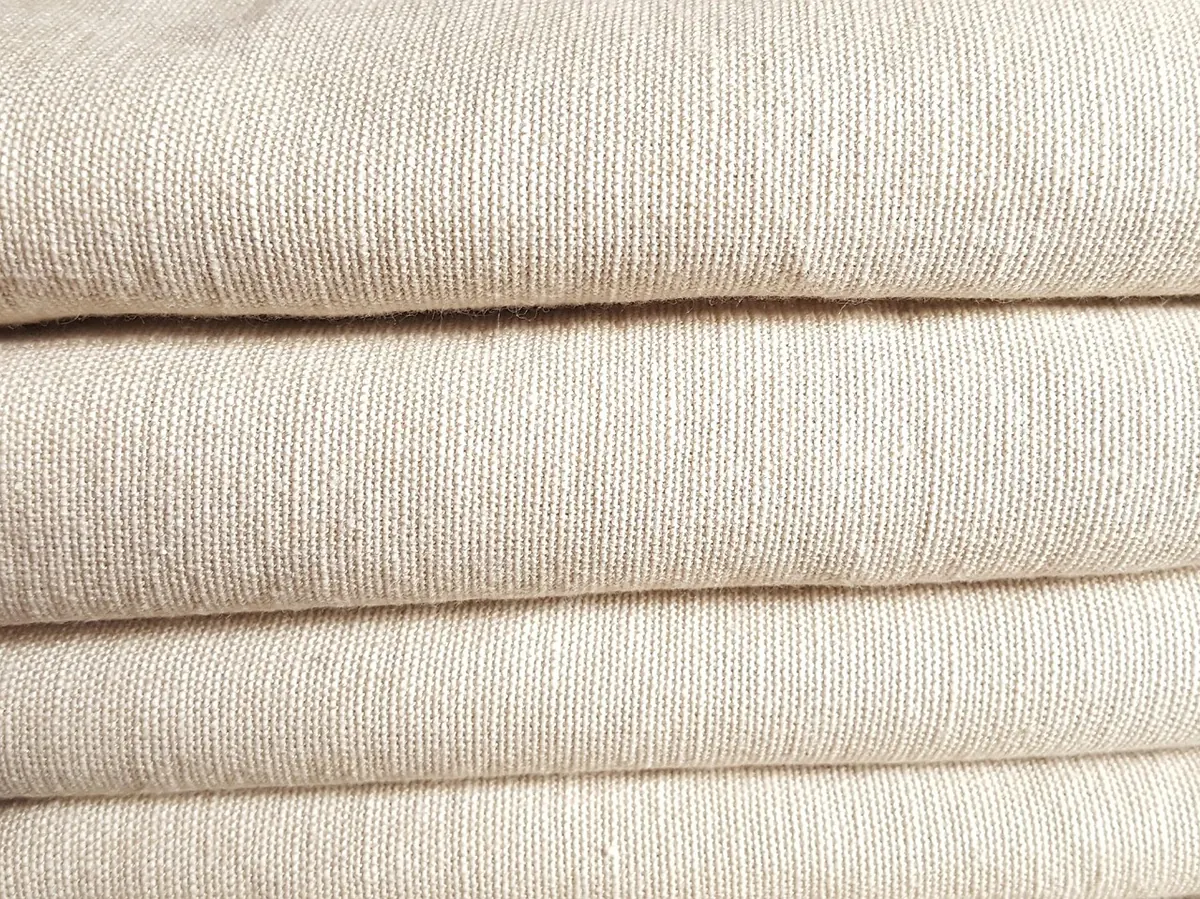
A practical guide to common linen weaves — plain, twill, herringbone, basket, sateen and huckaback — explaining how...
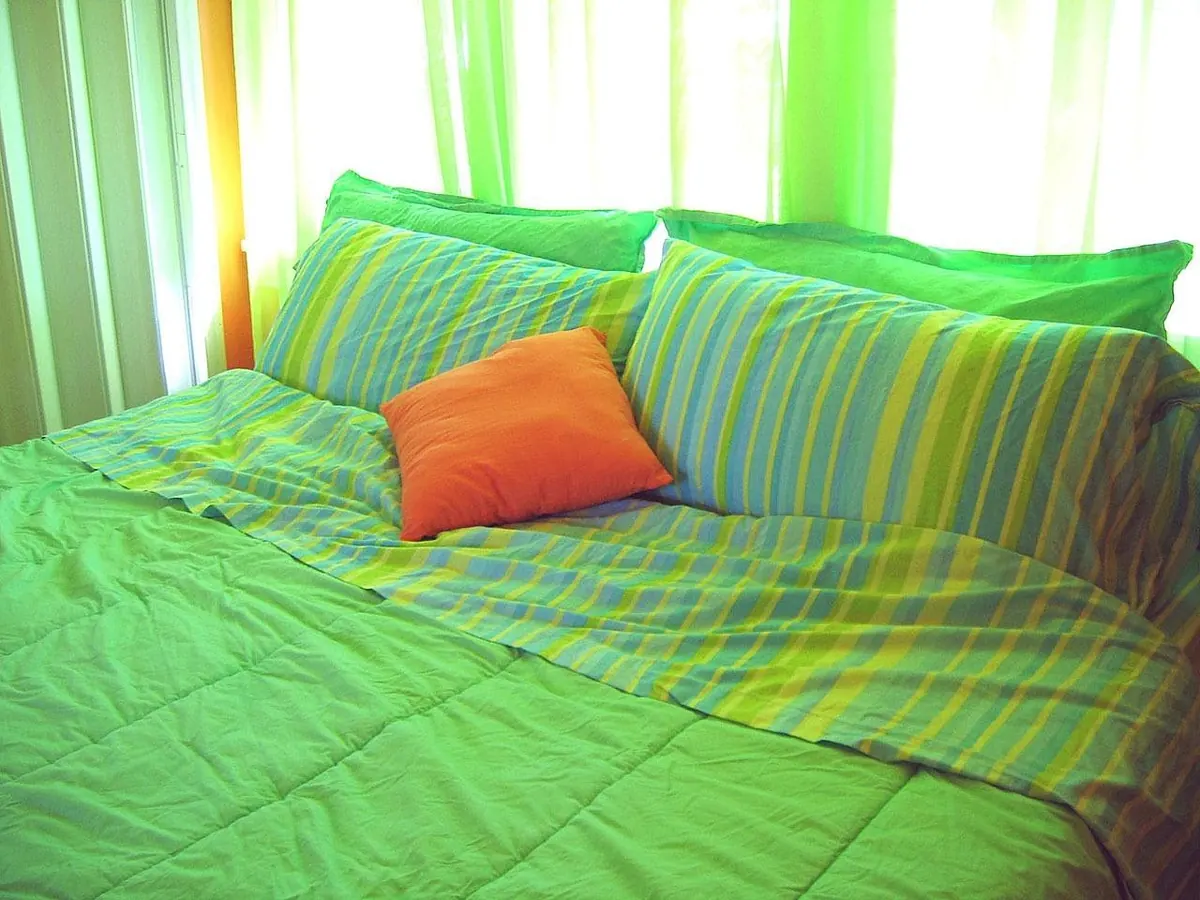
How to pair linen curtains with cottages, Georgian rooms and Victorian terraces — choosing colours, linings and...

Celebrating the beauty and versatility of linen..
