
A British summer can be glorious. It can also turn a bedroom into a still, airless box by 2am. The duvet is too much, the sheet is too little, and you wake at 4am stuck to the mattress. Linen bedding helps, but only if you choose and use it well. This checklist covers weights, weaves, washing and layering, with an eye on the way we actually sleep in this country.
Thread count is a cotton conversation. Linen is sold by weight, usually given in grams per square metre (GSM). For summer, look at the lighter end of the range. A linen in the region of 120–150 GSM will feel airy and soft without clinging. Midweight linen, around 150–190 GSM, can work if your bedroom stays cool or you sleep cold. Heavyweight linen, 190 GSM and up, is lovely and drapey, but it holds more warmth. If you already own heavy linen, save it for spring and autumn and add a lighter set for July.
Weight is not the whole story, but it is the quickest filter. If you sleep hot, a lighter linen flat sheet will do more for you than an expensive heavy duvet cover. As a rule of thumb, a 135 GSM washed linen flat sheet is a sensible starting point. If you regularly wake at 2am clammy and restless, try 120 GSM. If you only overheat during a proper heatwave, 150 GSM will usually be enough. The difference sounds small, but against your skin at night it is not.
Linen is usually woven in a plain weave, where threads pass over and under each other. That structure leaves tiny gaps, which is why linen breathes. A tight, dense weave blocks that airflow. A looser plain weave or a basket weave is a better choice for summer. Twill is stronger and smoother, but it is usually denser, so it can sleep warmer. Herringbone is handsome, though it often comes in midweight or heavy fabrics. If you can handle the bedding before buying, hold it up to a window. If light passes through, air is likely to as well.
Texture matters too. A slightly crinkled, stonewashed linen feels cooler against the skin than a crisp, stiff panel. It also needs less ironing, which is a small mercy in a heatwave. Think of the difference between a loose linen shirt and a canvas tote bag. Both may be linen, but only one lets a breeze through. If you are shopping online, look for phrases like “loose weave”, “open weave” and “breathable”, but read the reviews as well. A few reviewers saying “I sleep much cooler in this” is worth more than a dozen marketing adjectives.
Before you add anything to basket, run through this list:
Most British beds are built for winter: a thick duvet, a fitted sheet, maybe a throw. In summer, think in layers you can remove without waking fully. Start with a linen fitted sheet. Add a light linen flat sheet as your main cover. Keep a thin cotton or linen blanket at the foot of the bed for the hours before dawn, when your body temperature drops. If you sleep with a partner who runs hot or cold, use two single duvets or separate flat sheets instead of one shared duvet. It sounds fussy; at 3am it feels like genius.
For example, a hot sleeper might use a fitted sheet and a flat sheet only, with a fan moving air across the bed. A cold sleeper might use the same setup plus a lightweight linen throw over their feet. The key is that no single layer is heavy enough to trap you. You want to be able to make small adjustments in the dark without wrestling a whole duvet.
If you take one thing from this checklist, make it this: in summer, linen works best when you treat it as a system of light layers, not a single duvet swap.
Linen is tougher than it looks, but hot water and harsh chemicals break down the fibres. For summer bedding, wash at 30°C on a gentle cycle with a mild detergent. Skip fabric conditioner. It coats the fibres, reduces their natural moisture-wicking ability and leaves linen feeling limp. If your linen is stiff after drying, a short tumble on low with wool dryer balls, or a good shake and a warm iron, will relax it.
Line drying outside is ideal, but bring it in before it is bone dry if you want softness. A slightly damp fold helps. Never bleach unless the care label says so. Wash new linen separately for the first couple of cycles, because it can shed lint and dye. If you sleep hot, wash your linen sheets weekly. Sweat and body oils clog the weave and reduce breathability, which defeats the whole point. A second set is not a luxury in summer; it is what lets you rotate and wash without a midnight bedding crisis.
Linen is not cheap, and a full set is a commitment. Buy one pillowcase or a flat sheet first. Sleep on it for a week. Notice how it feels at 2am and 5am, not just when you get in. If you wake less sweaty and less stuck, buy the rest. If it feels heavy or scratchy, try a lighter GSM or a different wash. Many brands sell swatches; some have generous returns. Use them. It is far better to spend a little on a test than to spend a lot on a set that sleeps like a plastic bag.
Also, check what is underneath you. A breathable linen sheet over a memory foam mattress can only do so much. If your mattress traps heat, add a breathable cotton or wool mattress protector, or a cooling pad. Linen is a help, not a miracle.
Bedding is only part of the equation. During the day, open windows and pull curtains to block direct sun. Before bed, run a fan to move air across the room, not just at your face. Keep electronics out of the bed; they add heat and wake you. A cool shower before bed lowers your core temperature and helps you fall asleep. Finally, consider what you wear. Light cotton or linen pyjamas, or nothing at all, can matter as much as the sheets. Linen bedding gives you a better starting point, but the habits around it decide whether you actually get a cooler night’s sleep.
Linen bedding is not a single purchase; it is a small system. Choose a light weight, an open weave, and a washed finish. Layer it so you can adjust without waking. Wash it gently and skip the softeners. Then test, adjust, and repeat. Do that, and a British summer bedroom can feel less like a waiting room for a sauna and more like a place you actually sleep.
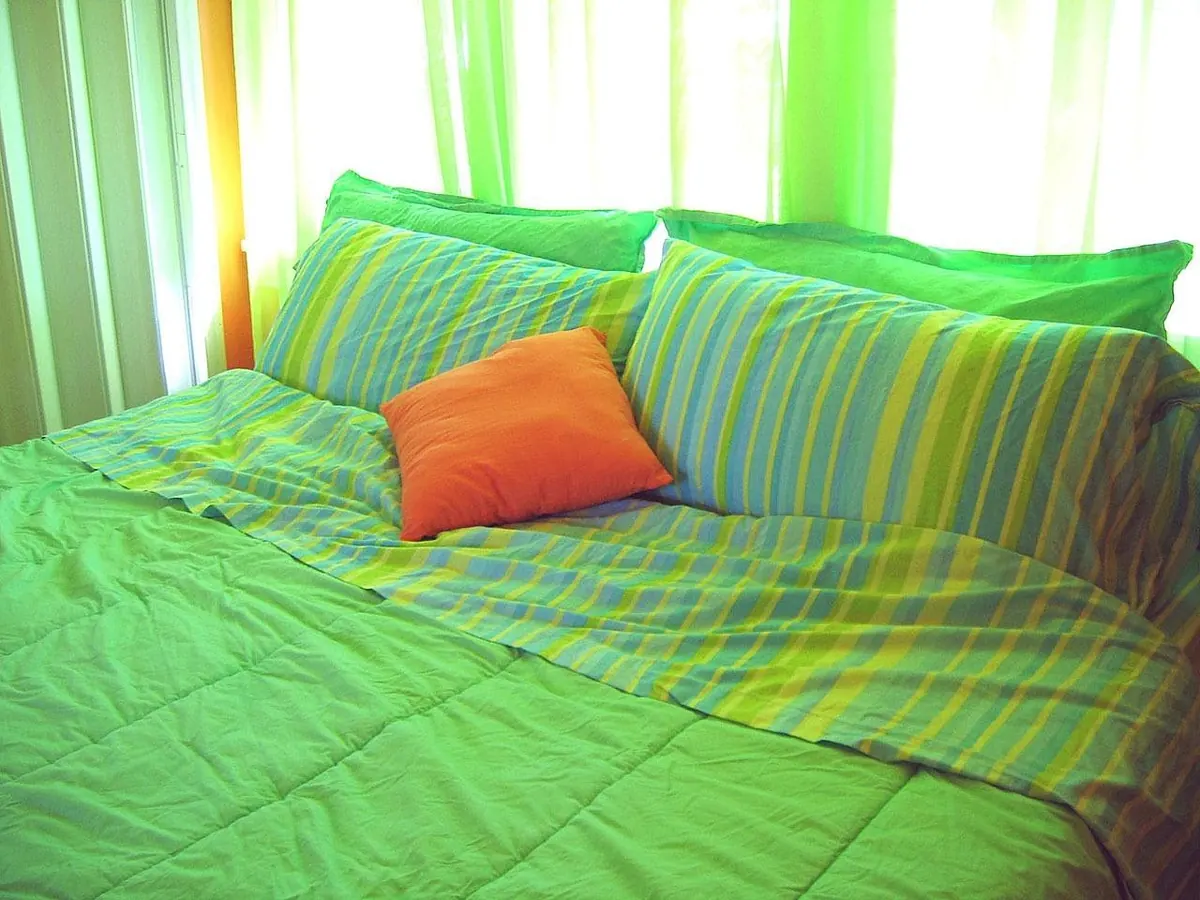
Photo: JayMantri / Pixabay
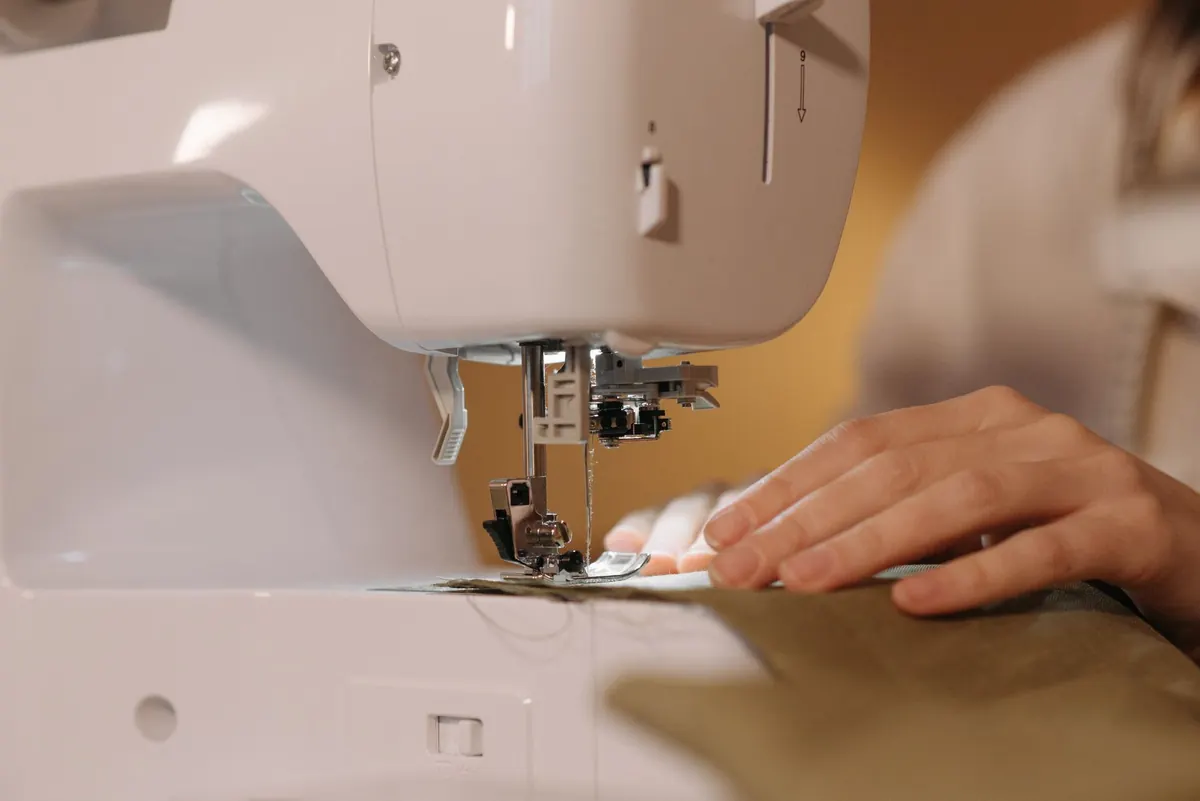
A practical guide to visible mending, patching and cutting down worn linen sheets — plus simple projects that turn...
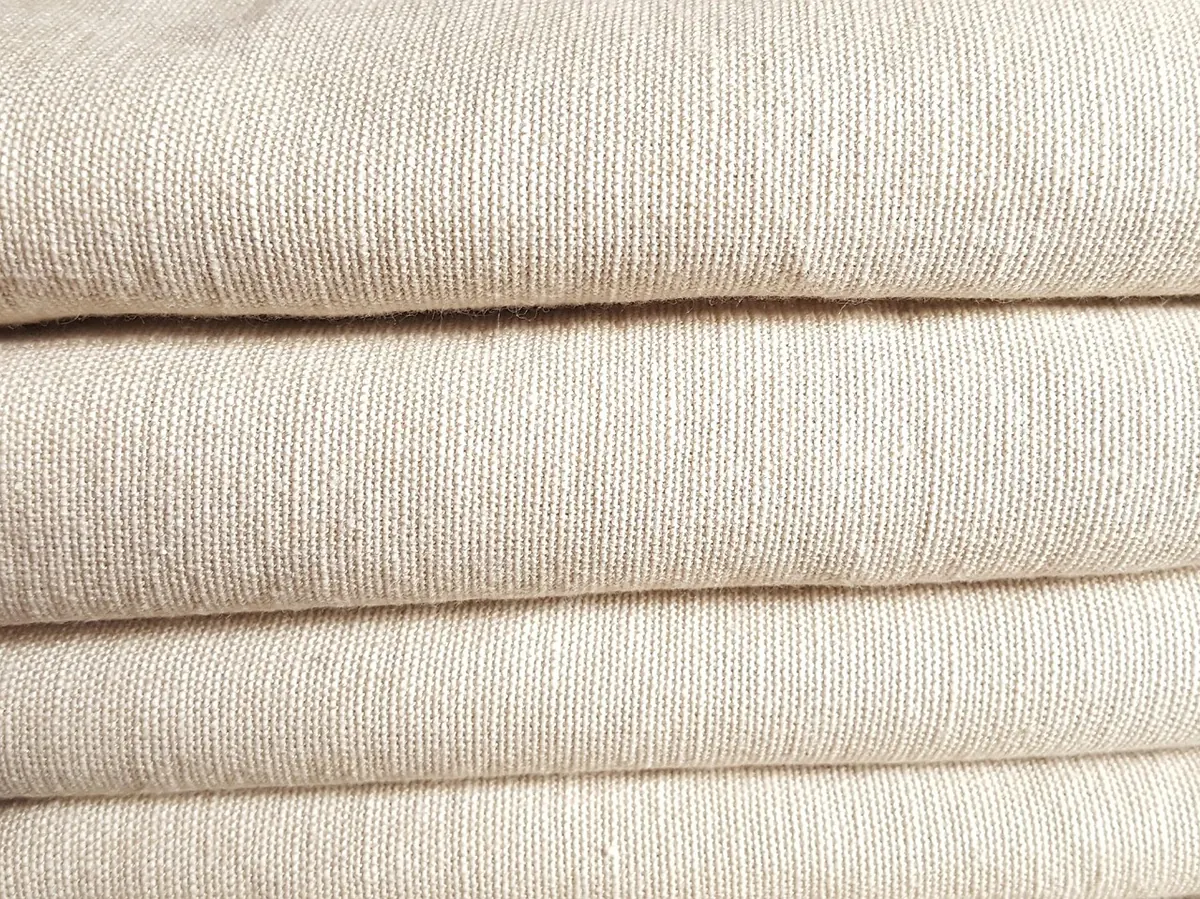
A practical guide to common linen weaves — plain, twill, herringbone, basket, sateen and huckaback — explaining how...
How to pair linen curtains with cottages, Georgian rooms and Victorian terraces — choosing colours, linings and...

Celebrating the beauty and versatility of linen..
